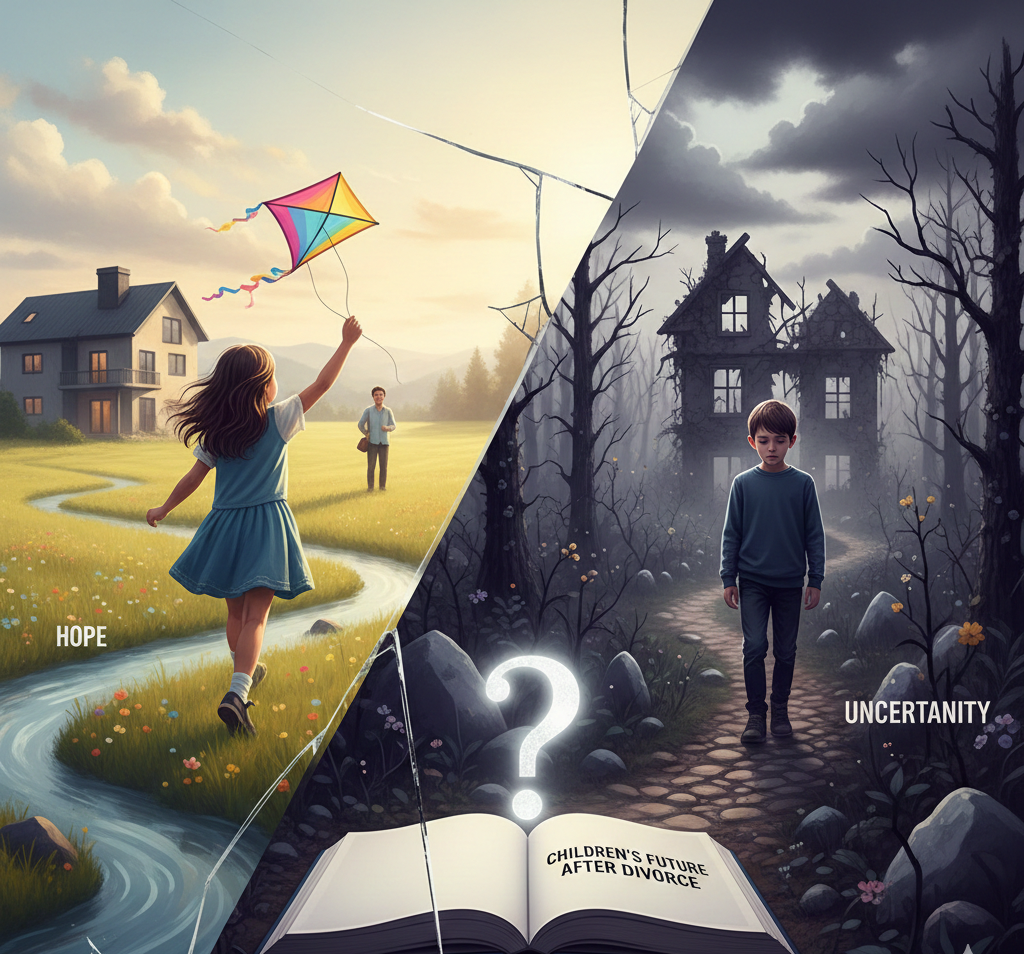
Divorce hits hard, especially when kids are involved. Parents worry about how it shapes their children’s lives. This article looks at what happens next, from feelings to finances, drawing on real experiences from families in the US and Europe. We’ll keep it straightforward, with practical tips to help navigate the road ahead.
Understanding the Emotional Rollercoaster
Kids don’t see divorce coming the way adults might. One day, everything feels normal; the next, their world splits in two. In the US, where about 40% of marriages end in divorce, many children feel confused, angry, or sad right away.
Take Sarah, a mom from Chicago. Her 8-year-old son, Tim, cried every night after she and her husband separated. He blamed himself, thinking his bad grades caused it. This guilt is common—kids often internalize the blame.
Short-term emotions can show up as tantrums, withdrawal, or trouble sleeping. In Europe, like in the UK, studies from family courts highlight how children might regress, acting younger than their age. Parents notice clinginess or aggression at school.
But emotions evolve. With time and support, many kids bounce back. Therapy helps unpack these feelings. In places like Germany, school counselors often step in early, offering group sessions for children of divorce.
Long-term, some children develop resilience. They learn empathy from seeing parents handle conflict. Yet others carry scars, like trust issues in relationships later on. Balance is key: acknowledge the pain but focus on healing.
Parents can help by talking openly. “How are you feeling today?” beats ignoring the elephant in the room. Simple check-ins build trust.
Navigating Legal Waters
Legal stuff can feel overwhelming during divorce. In the US, custody battles vary by state—California might favor joint custody, while New York looks closely at the child’s best interests. Courts prioritize stability, often using guardians ad litem to speak for the kids.
In Europe, the EU’s Brussels II regulation helps with cross-border cases. If one parent is from France and the other from Italy, it streamlines decisions on where kids live. Shared parenting is encouraged, but sole custody happens if there’s abuse or neglect.
Child support is crucial. In the US, formulas based on income ensure kids’ needs are met—think tuition, healthcare, college funds. Missing payments? Wage garnishment or even jail time in extreme cases.
European systems, like in Sweden, emphasize equality. Both parents contribute financially, with government aid filling gaps. It’s practical: kids shouldn’t suffer because adults split.
Visitation rights matter too. Holidays, weekends—schedules keep life predictable. In the UK, mediation often avoids court drama, saving money and stress.
Parents should document everything. Keep records of expenses, visits, and communications. It protects everyone, especially the children.
Legal aid is available. In the US, low-income families get help from Legal Aid Societies. Europe has similar programs through national bar associations. Don’t go it alone.
Facing Social Changes
Divorce ripples into social circles. Kids might switch schools if a parent moves, losing friends overnight. In bustling US cities like New York, this means adapting to new classmates mid-year.
In Europe, smaller communities in places like the Netherlands can amplify gossip. Kids feel the stares, hearing whispers about “broken homes.” It’s tough, but many find new bonds in after-school clubs.
Stigma lingers, though it’s fading. TV shows and books normalize divorce—think “Modern Family” in the US or European films like “Kramer vs. Kramer.” Kids learn it’s not their fault.
Social media adds pressure. Teens in the US or UK might see perfect family posts online, feeling isolated. Parents can counter this by encouraging real talks about emotions.
Community support helps. Churches, youth groups, or sports teams provide outlets. In Spain, family centers offer workshops for kids dealing with separation.
Friends’ parents play a role. Invites for playdates keep routines normal. It’s relatable—everyone knows a family that’s been through it.
Bullying can spike. If kids act out, peers might tease. Schools in the US often have anti-bullying programs; Europe mandates them under child rights laws.
Building social skills post-divorce pays off. Kids learn independence, making them adaptable adults.
Tackling Financial Realities
Money talks change after divorce. One household becomes two, stretching budgets thin. In the US, where healthcare ties to jobs, losing a spouse’s insurance hits hard.
European welfare systems soften the blow. In France, family allowances continue regardless of marital status. Still, single parents juggle more.
Lifestyle shifts are real. Vacations might mean camping instead of Disney. Kids notice—fewer toys, shared rooms. But it teaches value.
Child support covers basics, but extras like braces or sports fees add up. In the US, 529 plans for college remain intact, but contributions might dip.
Parents in Europe, like in Germany, access tax breaks for single earners. Planning ahead—budget apps, financial advisors—keeps things stable.
Job changes happen. A stay-at-home parent re-enters the workforce, modeling hard work for kids. In the UK, childcare vouchers help.
Debt from divorce—lawyer fees, moving costs—lingers. Credit counseling in the US or Europe’s debt advice services guide recovery.
Kids can learn money smarts early. Allowance tied to chores builds responsibility. It’s practical, turning challenge into growth.
Redefining Family Dynamics
Family isn’t blood alone post-divorce. Co-parenting means teamwork, even if it’s awkward. In the US, apps like OurFamilyWizard track schedules, reducing arguments.
Europe promotes amicable splits. In Denmark, mandatory parenting classes teach communication. Kids benefit from consistent rules across homes.
New partners enter the picture. Step-parents bring love, but jealousy flares. Take it slow—introduce gradually, like weekend outings.
Holidays redefine. Alternating Christmas in the US or shared Easter in Italy keeps traditions alive. Kids adapt, creating blended memories.
Siblings bond tighter. They share the experience, becoming each other’s rock. In big families, older kids mentor younger ones.
Grandparents step up. In cultures like Italy’s, nonni provide stability. US laws sometimes grant visitation rights to extended family.
Conflict hurts most. Yelling over the phone? Kids hear it. Choose peace—therapy for co-parents works wonders.
Family therapy unites everyone. Sessions in the US or Europe’s public health systems rebuild trust.
Ultimately, family evolves. It’s about love, not structure.
Building Resilience in Children
Kids are tougher than we think. With guidance, they thrive. Encourage hobbies—art, sports—to express feelings.
Routine matters. Consistent bedtimes, meals ground them amid chaos.
Positive role models inspire. Books like “It’s Not Your Fault, Koko Bear” resonate with young ones.
School involvement helps. Parent-teacher meetings show unity.
Self-care for parents is key. Happy adults raise happy kids.
Practical Tips for Parents
Listen without judging. Kids need space to vent.
Keep promises. Reliability rebuilds security.
Celebrate milestones together when possible. Birthdays unite.
Seek professional help early. Counselors spot issues.
Foster independence. Age-appropriate chores build confidence.
A Future Full of Hope
Divorce isn’t the end—it’s a pivot. Many kids from split homes grow into compassionate, strong adults. Think of successful people like Barack Obama or Emma Watson, who navigated it.
Challenges build character. Kids learn empathy, adaptability—skills for life.
Parents, you’re not alone. Support networks in the US and Europe abound—online forums, local groups.
Focus on love. Shower it unconditionally.
The future? Bright. With effort, children not only survive but flourish. Strength comes from within, nurtured by caring adults. Hold on—better days await.