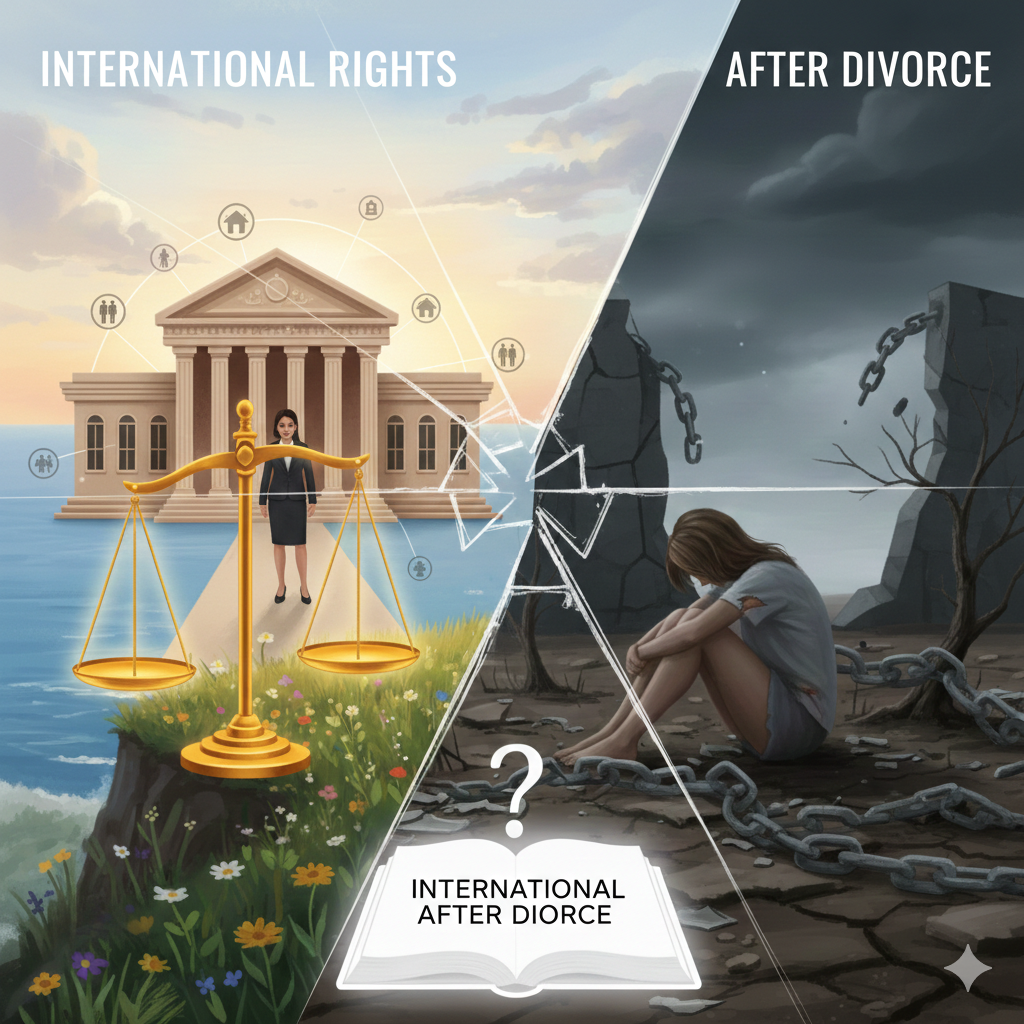
Divorce hits hard. One day you’re building a life together, and the next, everything shifts. If you’re reading this, maybe you’re picking up the pieces after a split, or helping someone who is. This article dives into what comes next—your rights, the emotional rollercoaster, money matters, social changes, and family ties. We’ll focus on the USA and key spots in Europe like the UK, Germany, and France, where laws can differ but share some common ground. Think of this as a straightforward guide from someone who’s seen friends go through it. No legal advice here—just facts to help you navigate.
The Emotional Side: Healing After the Storm
Divorce isn’t just paperwork. It’s a gut punch. You might feel lost, angry, or relieved all at once. In the USA, studies show it can take four to eight years to fully bounce back emotionally and financially. Over in Europe, similar patterns emerge, with women often facing steeper financial dips but building resilience over time.
Take Sarah, a mom in California. After her divorce, she cried for weeks, questioning every choice. But she started journaling her feelings, and that small step helped. Emotions like grief are normal—treat them like waves that come and go.
Balance is key. Don’t bottle it up, but don’t let it drown you. Talk to a therapist or join a support group. In the UK, organizations like Relate offer counseling that’s affordable and judgment-free. In Germany, public health services often cover mental health sessions. Remember, feeling vulnerable now doesn’t mean you’re weak forever.
Practical tip: Track your moods. Note what triggers sadness or anger. Over time, you’ll spot patterns and gain control. This isn’t about ignoring pain—it’s about facing it head-on, one day at a time.
Social stigma can sting too. In smaller European towns, whispers might follow you. In the USA, it’s more open, but judgment lingers. Push back by surrounding yourself with positive people. You’re not defined by your divorce.
Legal Rights in the USA: What You Can Claim
In the United States, divorce laws vary by state, but core rights protect you. No one has a constitutional right to divorce, but states allow it for reasons like irreconcilable differences. Once it’s final, focus on enforcing your rights.
Property Division
Most states follow “equitable distribution.” That means assets get split fairly, not always 50/50. Longer marriages often mean more equal shares. If you brought in a house or savings, you might keep more.
John from Texas learned this the hard way. He assumed everything split evenly, but the court considered his wife’s lower earnings. They divided based on contributions and needs. Always list all assets—bank accounts, retirement funds, even that old car.
Debts count too. Student loans or credit cards might stick with the one who racked them up, but joint ones get shared. Get a lawyer to review—your right to fair division is crucial.
Spousal Support (Alimony)
If one spouse earned less, alimony might apply. It’s not automatic; courts look at marriage length, income gap, and health. In high-cost states like New York, it can last years.
You have the right to request it during proceedings. After divorce, enforce through courts if payments stop. Men aren’t always payers—rights go both ways.
Child Custody and Support
Kids come first. Both parents have rights to custody, unless safety issues arise. Joint custody is common, focusing on the child’s best interest.
Support calculations use income formulas. In California, it’s strict—miss payments, and wages get garnished. Visitation rights are enforceable; no one can deny access without cause.
Post-divorce, update wills and powers of attorney. Your ex might no longer inherit or decide medical choices. Do this quickly to protect your wishes.
You also have rights to fair process—no rushed hearings—and legal representation. If broke, legal aid might help.
Legal Rights in Europe: Navigating Country Differences
Europe’s no monolith. EU rules handle cross-border divorces, but national laws rule. Post-Brexit, UK stands apart, but recognition often holds.
In the United Kingdom
No-fault divorce is now easier since 2022. Property splits aim for fairness, considering needs and contributions. Pensions often get divided.
Alimony (maintenance) is short-term usually, pushing self-sufficiency. Child arrangements prioritize welfare; both parents retain rights.
If your divorce was abroad, check UK recognition—some aren’t automatic. Maria, a Spanish expat in London, had to verify her EU divorce for UK benefits.
In Germany
Community property rules apply unless contracted out. Assets acquired during marriage split 50/50, but premarital stuff stays separate.
Spousal support focuses on childcare or health needs. It’s time-limited. Custody favors joint decisions; support is calculated precisely.
German courts emphasize mediation. Rights include full financial disclosure—hiding assets backfires.
In France
Matrimonial regimes dictate property. Common is community of acquisitions—marriage gains split equally.
Prestatory allowance compensates for lifestyle drops, especially for homemakers. Child residence alternates often; support uses guidelines.
EU-wide, Brussels IIa helps recognize divorces across borders, though post-Brexit tweaks apply. Always consult local experts; laws evolve.
Cross-border? Jurisdiction goes to where you live or last lived together. This prevents “forum shopping.”
Financial Aspects: Rebuilding Your Wallet
Money woes hit hardest post-divorce. In the USA, women often see income drop 20-30%, men less so. Europe mirrors this, with welfare nets varying.
First, divide accounts. Transfer titles on homes, cars. In the USA, QDROs split retirement without taxes.
Budget ruthlessly. Track expenses—cut extras like subscriptions. Build an emergency fund; aim for three months’ worth.
Credit takes a hit if joint debts linger. Monitor your score; dispute errors. In Europe, like France, social aid might cover basics if income’s low.
Taxes change. File as single; claim kids if custodial. USA alimony isn’t taxable anymore; Europe varies.
Invest wisely. Start small—index funds. If expat, watch currency shifts. Anna in Berlin rebuilt by freelancing, turning hobby into income.
Debt? Negotiate plans. Bankruptcy’s last resort—harms credit long-term.
Pensions matter. In UK, share ex’s if disparity exists. Germany equalizes gains.
Relatable story: Mike in Chicago lost half his savings but learned investing. Now, he’s debt-free and teaching his kids finance.
Social Aspects: Redefining Your Circle
Divorce reshapes friendships. Some fade; others strengthen. In the USA, it’s common to “divorce” mutual friends. Europe, with tighter communities, feels isolating.
Rebuild by joining clubs—book groups, hikes. Online forums help, but meet in person too.
Dating? Wait till healed. Rights-wise, no restrictions post-divorce, but kids complicate.
Stigma fades faster in cities. In rural France, it lingers, but support networks grow.
Work life: Divorce might affect focus. USA laws protect from discrimination; Europe too via EU directives.
Volunteer—gives purpose. Lisa in Paris found friends through charity, easing loneliness.
Balance: Cherish alone time, but seek connections. You’re worthy of good people.
Family Aspects: Keeping Bonds Strong
Kids feel the quake. In USA and Europe, rights ensure involvement unless harmful.
Co-parent amicably. Apps like OurFamilyWizard track schedules.
Extended family: Grandparents have visitation rights in some states, like New York. In Germany, it’s limited.
Blended families common. Set boundaries early.
Emotional toll on kids: Reassure love’s unchanged. Therapy helps.
In Europe, like UK, child maintenance is enforced strictly.
Story: Tom’s teens in Munich struggled, but family counseling bridged gaps.
Prioritize stability—consistent routines heal.
Moving Forward: Finding Strength and Hope
Divorce ends a chapter, not your story. You’ve navigated legal mazes, financial twists, emotional depths. Now, embrace growth.
Many find deeper joy post-split. Travel, new careers, stronger bonds.
You’re resilient. Look back at survived hardships—proof of strength.
Hope blooms in small wins: a peaceful co-parent day, a new friend, financial stability.
Reach out—friends, pros. You’re not alone.
In time, this pain fades, revealing a brighter you. Keep going; better days await.