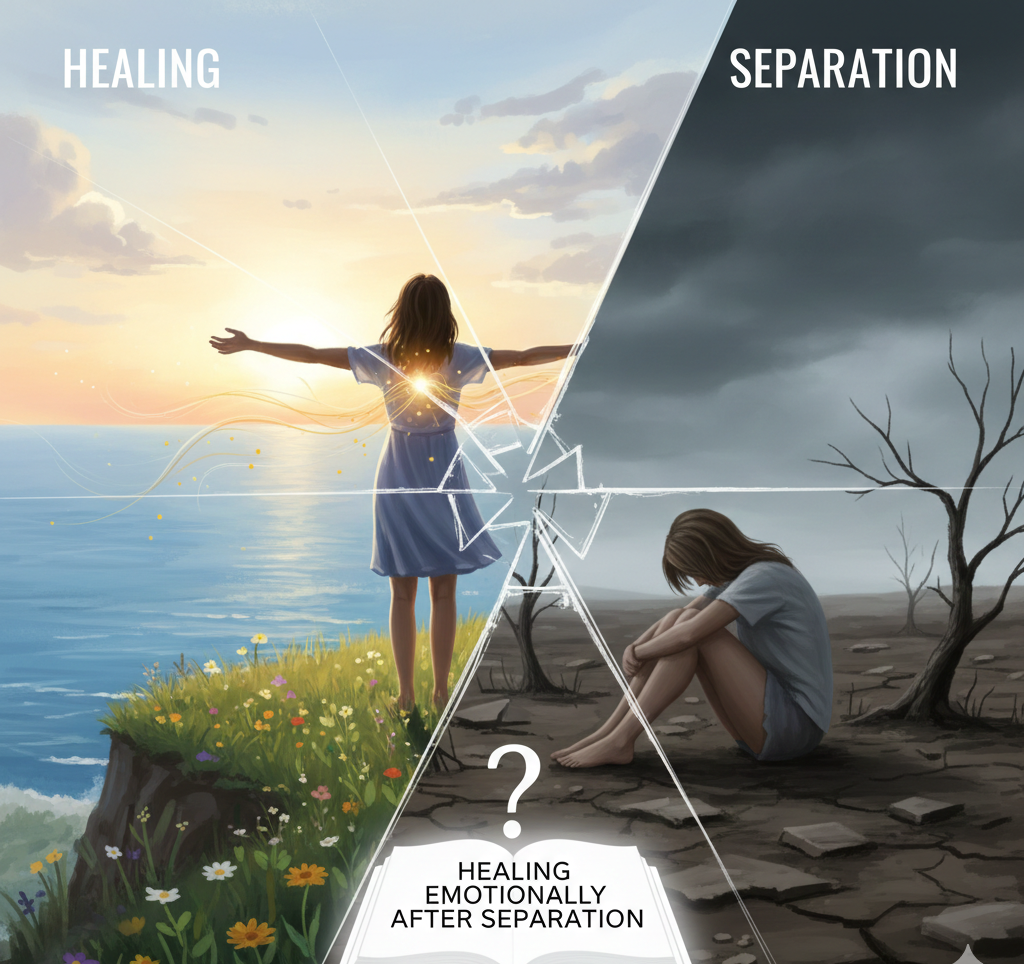
Separation from a partner hits hard. It’s like a storm that upends your life. You feel lost, angry, sad—all at once. But you’re not alone. Millions go through this every year in the US and Europe. This article walks you through healing emotionally while touching on legal, social, financial, and family sides. We’ll keep it real, like chatting with a friend who’s been there. Healing takes time, but it leads to strength and new beginnings.
Understanding the Emotional Rollercoaster
First, let’s talk feelings. Separation often feels like grief. You mourn the life you had, the dreams that faded. One day you’re furious, the next you’re numb. That’s normal. Sarah, a teacher from Chicago, shared how she cried over old photos for weeks after her split. She felt like her world ended. But acknowledging those emotions is step one.
Don’t bottle them up. Journaling helps. Write down what hurts. Or talk to a mirror if that’s easier. It’s okay to feel weak. In Europe, like in the UK, people often hide pain behind a stiff upper lip. But pushing feelings away only makes them stronger later.
Grief stages apply here: denial, anger, bargaining, depression, acceptance. You might bounce between them. John from Berlin described bargaining as begging his ex in his mind to come back. It passed when he faced reality.
Self-compassion is key. Treat yourself like you’d treat a friend in pain. No self-blame. Most separations aren’t one person’s fault. They’re a mismatch that ran its course.
Seeking Professional Help
Therapy isn’t a sign of failure. It’s a tool for healing. In the US, options like BetterHelp or local counselors make it accessible. Europeans can tap into NHS services in the UK or similar in Germany. A therapist helps unpack emotions without judgment.
Consider support groups. DivorceCare in the US or online forums in Europe connect you with others. Hearing “me too” eases isolation. Maria from Paris joined a group and found friends who understood her late-night doubts.
Medication might help if depression lingers. Talk to a doctor. It’s not forever—just a bridge.
Mindfulness apps like Headspace work wonders. They teach breathing through panic. Small steps build emotional resilience.
Legal Steps: Protecting Yourself
Emotions tangle with practicalities, like law. In the US, divorce laws vary by state. California has no-fault divorce—easier emotionally since no blame game. Europe differs too: Sweden’s process is straightforward, while Italy’s can drag on.
Get a lawyer early. They explain rights on assets, custody. Don’t sign anything in anger. Mediation saves money and reduces conflict. Tom from New York regretted rushing; it cost him dearly.
Understand alimony or spousal support. In the US, it’s based on marriage length, income. Europe calls it maintenance, similar rules. Know child support guidelines—federal in US, country-specific in Europe.
If abuse was involved, seek protective orders. Resources like US’s National Domestic Violence Hotline or Europe’s equivalents provide free advice. Legal closure aids emotional peace.
Paperwork overwhelms, but break it down. List assets, debts. Apps like Splitwise track shared expenses. Closure comes when papers are signed.
Financial Recovery: Building Stability
Money worries amplify emotional pain. Separation often halves income while costs rise. Budgeting becomes lifeline.
Assess your finances first. Track income, expenses. In the US, tools like Mint help. Europeans use apps like Money Manager EX.
If you’re in debt, prioritize. Pay essentials—rent, food. Credit counseling from US’s NFCC or Europe’s debt advice services offers plans.
Women often face bigger hits, especially if they paused careers for kids. Update resumes, seek jobs. In Europe, generous parental leave helps, but retraining programs exist.
Save for emergencies. Aim for 3-6 months’ expenses. Invest wisely—US 401(k)s or Europe’s pensions.
Taxes change post-separation. US filers switch to single status; consult IRS. In Europe, notify tax authorities to avoid surprises.
Financial independence feels empowering. Lisa from London rebuilt her savings and felt freer than ever.
Social Rebuilding: Finding Your Tribe
Separation shakes social circles. Friends pick sides or drift away. It hurts, but it’s a chance to rebuild.
Reach out to old friends. A coffee catch-up rebuilds bonds. In the US, Meetup groups for divorcees abound. Europe has similar through apps like Eventbrite.
Dating? Wait until emotionally ready. Rushing leads to rebounds. Focus on hobbies—join a book club or gym.
Stigma exists, especially in conservative areas. In rural US or parts of Europe, whispers happen. Ignore them. Your story is yours.
Online communities help. Reddit’s r/Divorce offers anonymous support. Share wins, like your first solo trip.
Family reactions vary. Some judge, others support. Set boundaries. “I need space” is okay.
New connections heal. Volunteer—helping others shifts focus outward.
Family Dynamics: Navigating with Kids
If kids are involved, emotions multiply. They feel the split too. Honesty matters, age-appropriate.
Explain simply: “Mom and Dad won’t live together, but we love you.” Avoid blame. Co-parenting classes in US courts or Europe’s family services teach communication.
Schedules help. Apps like OurFamilyWizard track visits, reducing arguments.
Kids might act out—regression, anger. Therapy for them helps. In the US, school counselors assist; Europe has child psychologists via health systems.
Protect them from conflict. No badmouthing the ex. Model respect.
Blended families form later. Introduce new partners slowly.
Single parenting tires, but rewards come. Quality time builds bonds. Emma from Seattle said her kids became her anchors.
Grandparents provide support. Lean on them, but set rules.
Family healing takes patience. Kids adapt when parents do.
Self-Care: Nurturing Your Inner Strength
Amid chaos, self-care grounds you. Sleep well—insomnia hits hard post-separation.
Eat nourishing food. Comfort eating tempts, but veggies fuel better moods.
Exercise releases endorphins. Walk in a park, like many do in European cities. US gyms offer classes for stress relief.
Hobbies revive joy. Paint, read, garden. Rediscover pre-relationship passions.
Boundaries protect energy. Say no to draining people.
Gratitude journaling shifts perspective. Note three good things daily.
Spirituality helps some. Church, meditation—whatever resonates.
Pamper yourself. A bath, massage—small luxuries affirm worth.
Moving Forward: Redefining Life
As emotions settle, envision your future. Set goals—career, travel.
Travel heals. A solo trip to the US national parks or European coasts refreshes.
Education empowers. Online courses from Coursera build skills.
Relationships evolve. Friendships deepen, romance returns naturally.
Forgiveness frees you. Not for them, for you. Release resentment.
Growth emerges from pain. Many say they’re stronger post-separation.
Embracing Hope and Strength
Healing isn’t linear. Setbacks happen, but each day you’re mending.
You’ve survived the storm. Now, sunlight peeks through. You’re resilient, capable.
Look ahead with hope. New chapters await—love, adventures, peace.
You’re not broken; you’re transforming. Embrace your strength. Better days are coming.